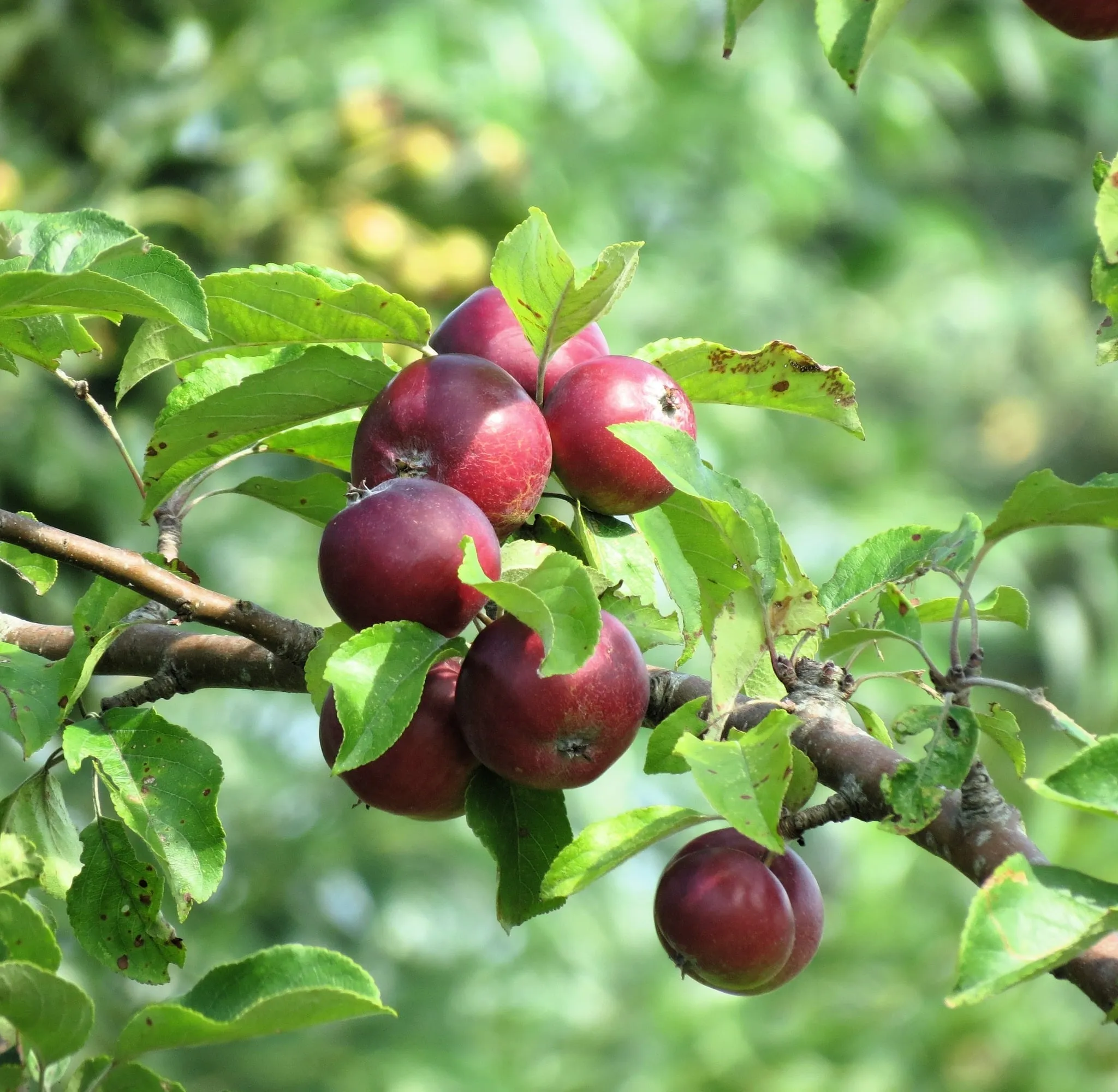
So what exactly is it?A food forest
A food forest is a human-designed ecosystem full of edible plants, inspired by the structure of a natural forest. Discover what a food forest is, why it is so valuable and who it is for.
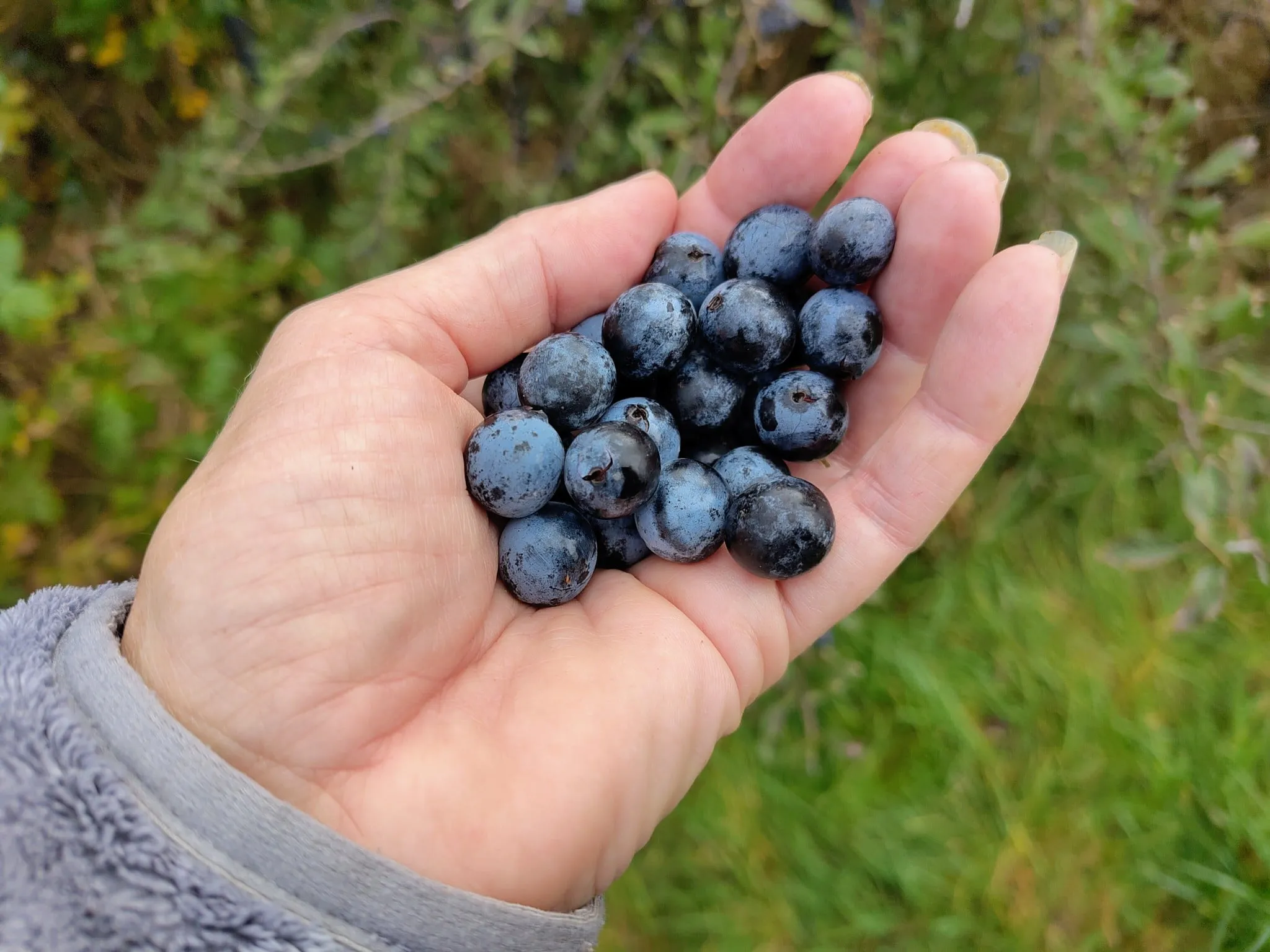
A forest you can eat
A food forest is mostly made up of perennial, woody species. They provide a rich variety of fruit, nuts, seeds, leaves and flowers, spread across the seasons and across the different layers of the food forest.
Unlike a vegetable garden, the soil is not dug over every year. Soil life stays intact, plants strengthen each other, and over the years the system becomes richer rather than poorer.
The layered structure of a food forest
A food forest consists of several layers. Each layer plays its own part, and together they form a resilient and productive ecosystem.
- The canopy layerLarge trees such as walnut, sweet chestnut and tall fruit trees.
- The sub-canopy layerSmaller or lower trees, such as low fruit trees or large shrubs.
- The shrub layerWoody shrubs such as hazel, elder and berry bushes.
- The herbaceous layerNon-woody perennials and perennial vegetables such as wild garlic and comfrey.
- The ground coverLow plants that cover the soil and protect it from drying out, such as wild strawberries.
- The climbers (vertical layer)Edible climbers that grow up trees and shrubs, such as grape or kiwiberries.
- The underground layer (root crops)Plants with edible tubers and roots, such as Jerusalem artichokes.
- The fungal layerFungi and mushrooms in and on the soil.
- The water layerSometimes applicable when there is a pond or water feature with edible aquatic plants.
Why are food forests important?
Food forests provide food and nature at the same time. That makes them especially valuable at a time when space, biodiversity and the climate are under pressure.
More biodiversity
Dozens of plant species attract insects, birds and soil life. A food forest is a habitat, not a production field.
Healthy soil
No ploughing, no artificial fertiliser and no pesticides. The soil builds up organic matter and holds on to water and nutrients.
Climate-resilient
Trees and shrubs retain moisture, provide shade and capture CO₂. The system copes better with drought and heat.
Food close by
Fresh, local and seasonal food, often within walking distance of the people who eat it.
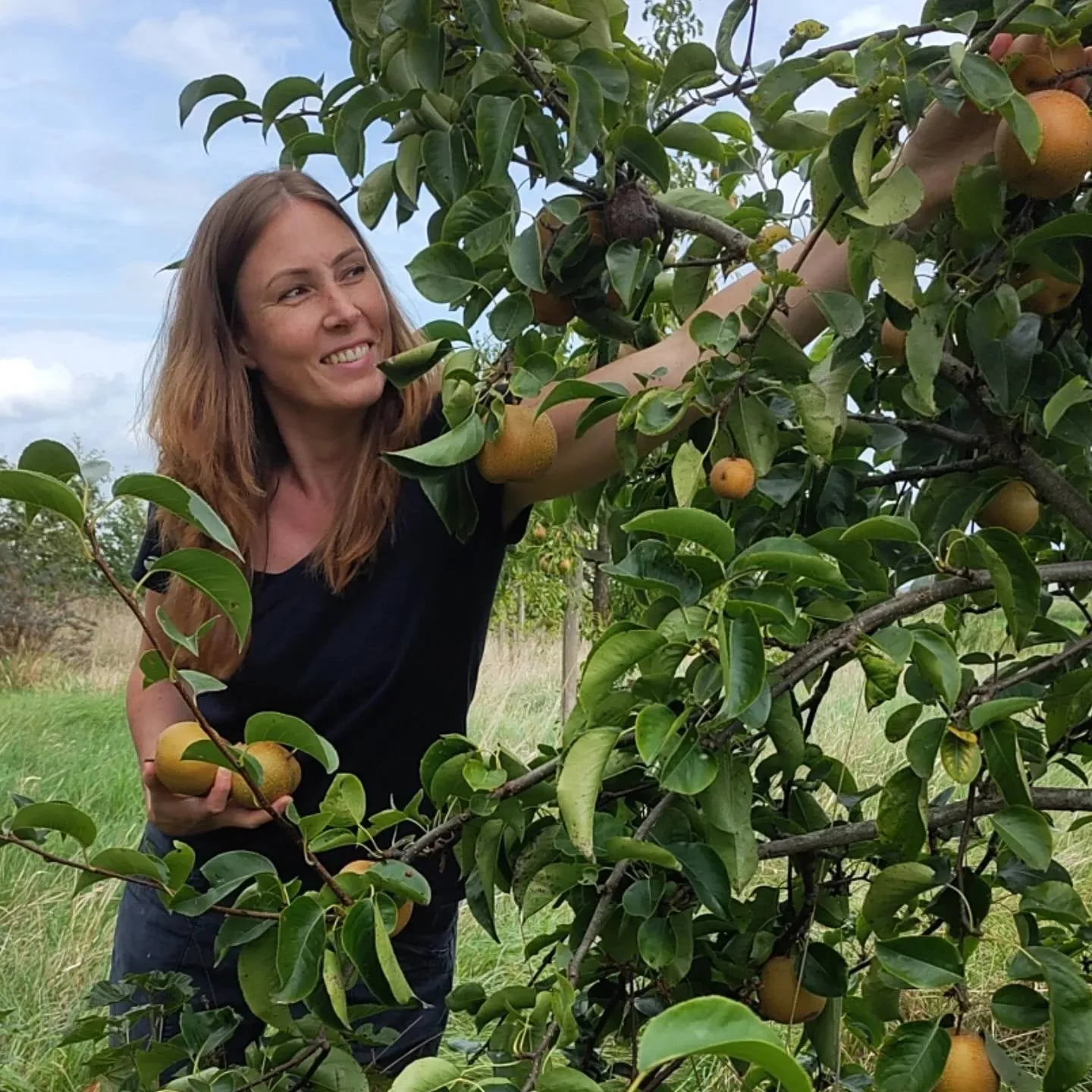
Who is a food forest
interesting for?
A food forest suits very different people and organisations. What they share is the wish to produce food without exhausting nature.
- Foundations and associations that run a food forest with volunteers.
- Farmers who add agroforestry to their business and so spread their yields.
- Municipalities and housing associations that make public green space edible and valuable.
- Schools and care institutions that want to combine nature, education and healthy food.
Frequently asked questions about food forests
How long does it take before a food forest is productive?
You can harvest the first herbs and ground cover in the very first year. Shrubs such as berries and honeyberry start yielding after two to three years. Fruit and nut trees often need five to ten years before they bear well. A food forest is a long-term project that gets richer every year.
How much space do I need?
There is no minimum. In a back garden of a hundred square metres you can already create a layered edible system. Larger projects quickly cover several hectares. The principles stay the same.
How much maintenance does a food forest take?
The planting phase is intensive: planting, watering and protecting the young plants. As the system matures, the maintenance decreases. Pruning, harvesting and the occasional adjustment remain necessary.
Can I harvest at a food forest near me?
Yes, several food forests offer a harvest subscription or have a shop with fresh produce. In the app you can see which food forests are near you.